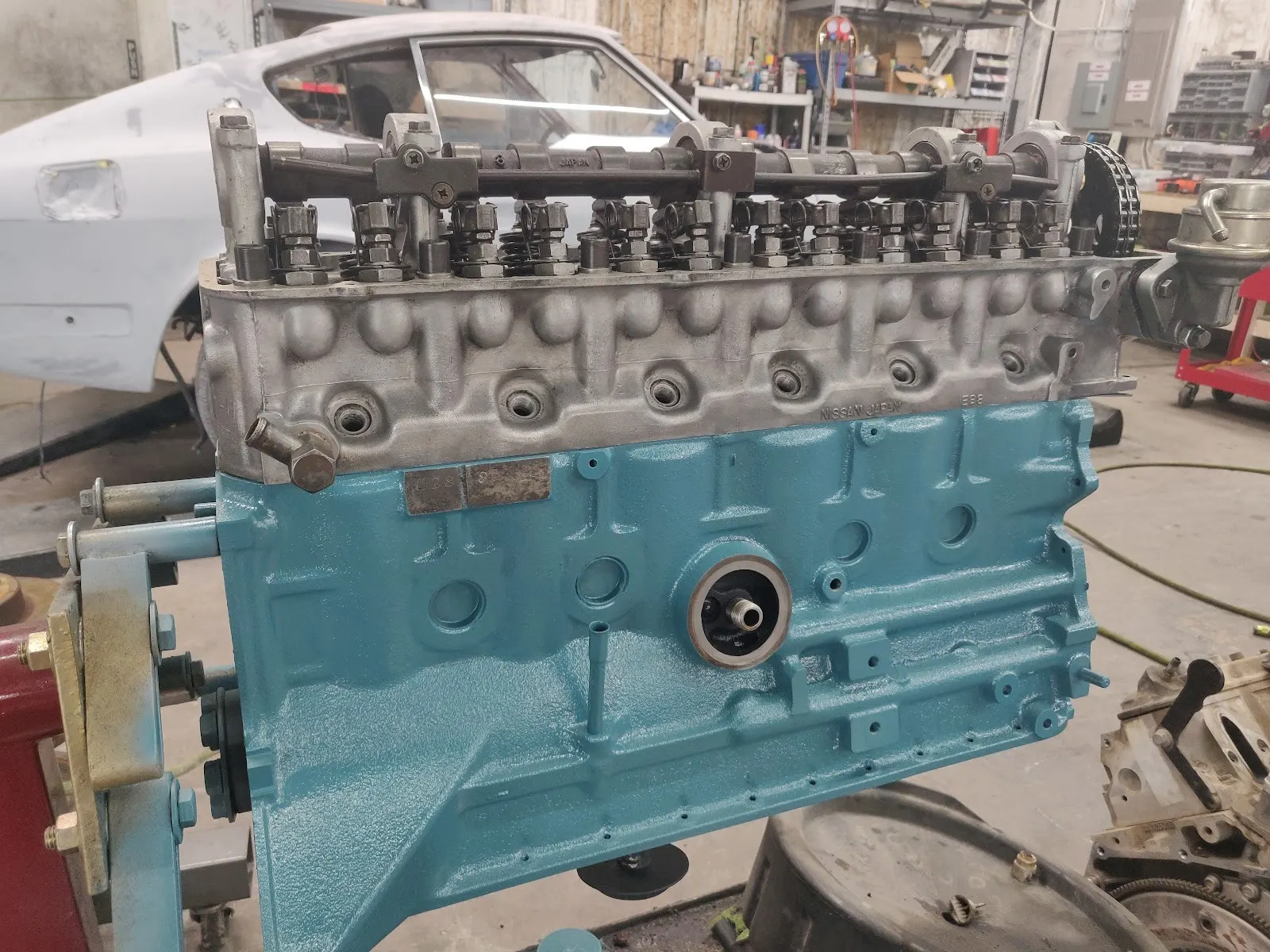
For most cars driven around Huntsville, a full synthetic oil change every 5,000 to 7,500 miles, or at least every six months to a year, is the safe range. The longer intervals printed on some oil bottles and service reminders assume “normal” driving, and summer heat, short trips, towing and stop-and-go traffic all count as severe service in most owner’s manuals.
That doesn’t mean everyone needs an oil change every 3,000 miles. It means you should look at how you actually drive, check your owner’s manual for the severe-service schedule, and pick an interval you can stick to.
The interval on the bottle vs. the one in your manual
Synthetic oil really does last longer than conventional oil. It resists heat breakdown better and keeps its viscosity longer. That’s why carmakers and oil companies advertise long intervals, sometimes 10,000 miles or more.
But almost every owner’s manual has two schedules: one for normal driving and one for severe or special conditions. The severe schedule is often much shorter. The problem is that most people read the normal one and assume it applies to them.
What “severe service” means, and why it’s probably you
Manufacturers define severe service a little differently, but the list usually includes:
- Extreme heat, meaning outside temperatures regularly over about 90°F
- Short trips, under about five to ten miles, where the oil never fully warms up
- Stop-and-go driving and long idling
- Towing or hauling heavy loads
- Dusty or unpaved roads
Huntsville summers clear the heat requirement for months at a time. Add short trips across town, school runs, campus traffic around Sam Houston State, a boat on the weekend or a few miles of county gravel, and most local driving fits the severe-service definition comfortably.
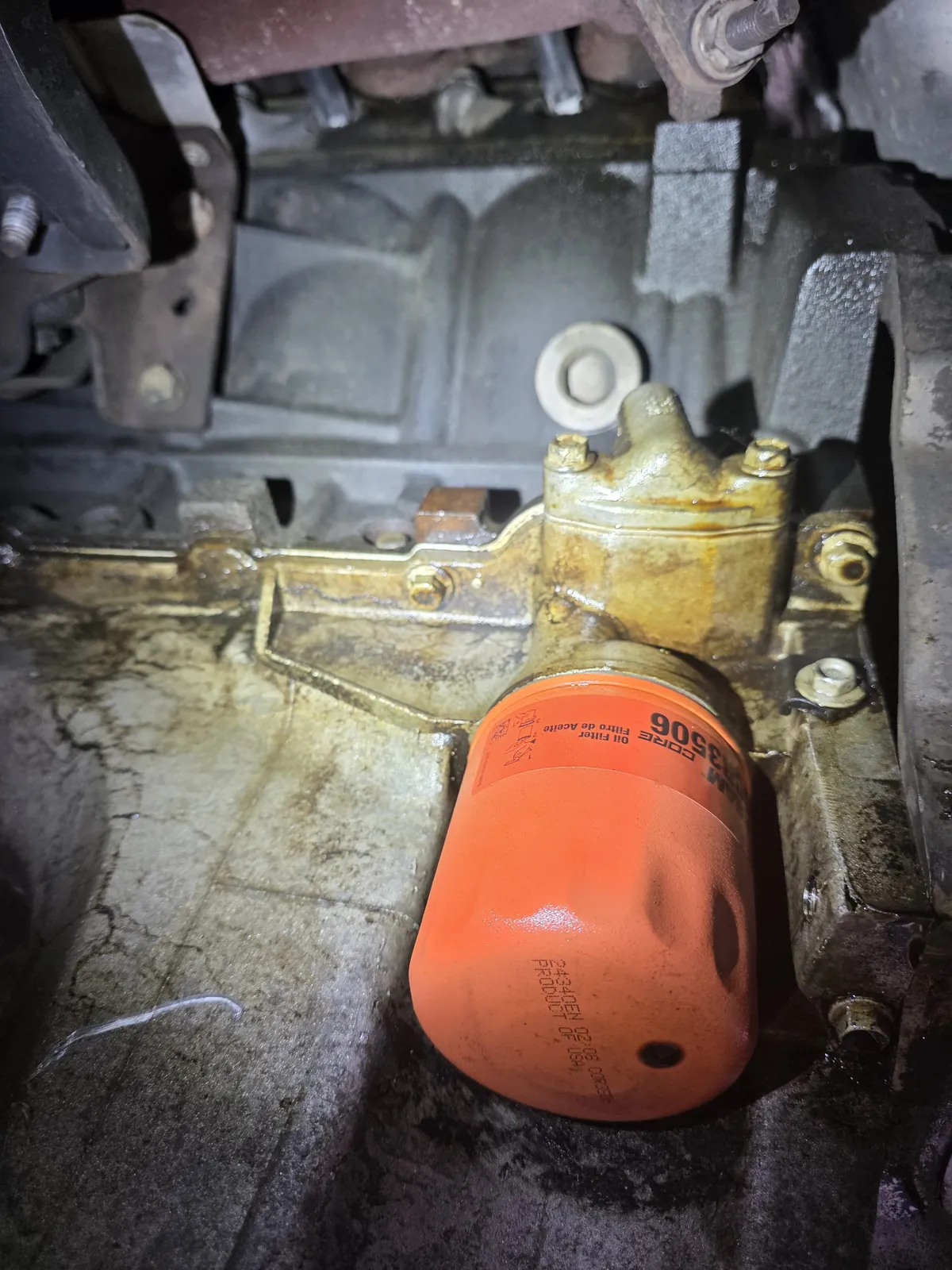
Long-life intervals on European cars
BMW, Mercedes-Benz, Audi and Volkswagen often use long service intervals, and the car’s service reminder may not ask for an oil change for 10,000 miles or a year. Those intervals were designed around ideal conditions and specific oils.
What we see in the shop is that turbocharged European engines kept on long intervals in Texas heat are more likely to show sludge, worn timing components, clogged crankcase ventilation and oil leaks as they age. We think it’s worth splitting the factory interval, roughly every 5,000 to 7,500 miles, on any European car you plan to keep past its warranty. During the warranty, follow the factory schedule at minimum and keep your records.
Use oil that carries your carmaker’s approval, not just the right viscosity:
| Make | Approval to look for on the bottle |
|---|---|
| BMW and Mini | BMW Longlife-01, LL-04 or LL-17 FE+, depending on the engine |
| Mercedes-Benz | MB 229.5, 229.51, 229.52 or 229.71, depending on the engine |
| Volkswagen and Audi | VW 502 00, 504 00 or 508 00, depending on the engine |
The wrong oil can cause real problems on these engines. Oil-pressure-driven parts like variable timing and cam phasers depend on it, which is why the wrong oil or a skipped change shows up in problems like the F-150 cam phaser rattle and Hemi lifter tick.
Turbos, heat and oil breakdown
A turbocharger spins at very high speed and gets extremely hot, and it’s cooled and lubricated by engine oil. Every time you shut off a hot turbo engine, the oil sitting in the turbo bakes a little. Over time that oil cokes into deposits that starve the turbo’s bearings. Fresh oil handles that heat much better than oil near the end of its life.
Turbo engines are now everywhere: EcoBoost F-150s, most BMWs, Audis and Volkswagens, Mercedes four-cylinders and many small SUVs. If your car is turbocharged and lives in Texas, err toward the shorter interval.
Pick an interval and stick to it
Here’s a simple guide:
- Mostly highway miles in mild weather: follow your manual’s normal schedule.
- Typical Huntsville driving, summer heat, short trips: use the severe schedule, usually around 5,000 to 7,500 miles with full synthetic.
- Towing, a turbo engine you plan to keep, or a high-mileage engine: stay toward 5,000 miles.
- Low-mileage cars: change it at least once a year even if you barely drive. Oil ages with time too.
Check the oil level every few fill-ups as well. Many European engines use some oil between changes by design, and running a quart low makes the remaining oil work harder.
Great team of mechanics, and great price. Needed my oil changed, and they had my car in and out quickly.
Callum Rock, Google review
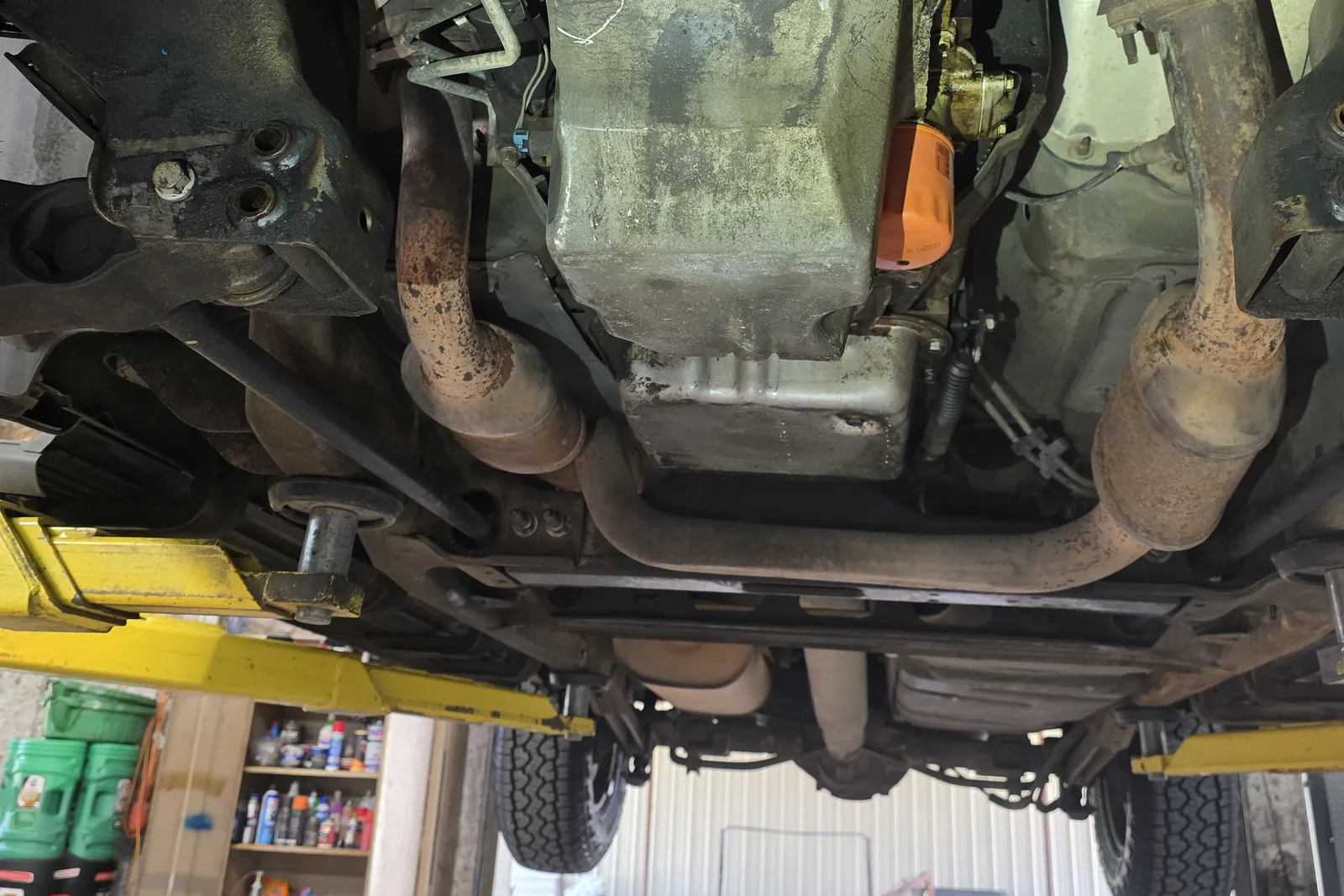
While your car is on the lift for an oil change, we look over the underside for leaks, worn parts and anything that needs attention, which is a good habit now that Texas no longer requires inspections. If you see oil spots, our post on BMW oil leaks explains the usual sources.
Frequently asked questions
How long can full synthetic oil really go?
In ideal conditions, some synthetics are rated for 10,000 miles or more. In Texas heat, with short trips or towing, 5,000 to 7,500 miles is a safer range.
Do I need to change synthetic oil every six months if I don’t drive much?
At least once a year is a good rule. Oil absorbs moisture and fuel from short trips and ages even when the car sits.
Is Texas heat considered severe driving conditions?
Most manufacturers list sustained high temperatures, short trips and stop-and-go traffic as severe conditions. A lot of Huntsville driving fits.
What oil does my European car need?
It needs oil that carries your carmaker’s approval, such as BMW Longlife-01, MB 229.5 or VW 504 00. The approval matters as much as the viscosity.
Bring it to Figure Automotive in Huntsville
Oil changes are quick here, and we use oil that meets your car’s specification, not just the right weight. Stop by or call ahead and we’ll get you in and out.
Call (936) 439-4346 or request a Free Written Estimate. We are at the shop Monday through Friday.