Brakes that squeak for the first few stops in the morning, then go quiet, are usually just shedding a thin layer of surface rust that formed overnight, which is common in humid East Texas. A steady high-pitched squeal every time you brake usually means the pad wear indicators are touching the rotor and it’s time for new pads. Grinding means metal on metal, and the brakes need attention right away.
Here’s how to tell brake noises apart, what causes squeaking after new brakes, and when it’s safe to wait.
Squeak, squeal or grind: what each means
| Noise | When you hear it | Likely cause | How urgent |
|---|---|---|---|
| Light squeak or scrape | First few stops of the day, goes away | Surface rust on the rotors from humidity or rain | Normal |
| High-pitched squeal | Every time you brake, gets more constant | Pad wear indicator touching the rotor | Book a brake check soon |
| Squeal when not braking | While driving, stops when you brake | Wear indicator, stuck pad or a stone in the brake | Check soon |
| Grinding or growling | When braking | Pads worn to the metal backing plate | Get it checked now |
| Clunk or click | When you first press or release the brakes | Loose caliper hardware or worn pad clips | Check soon |
| Squeak only in reverse | Backing out of the driveway | Pads shifting in the caliper, often harmless | Mention it at the next service |
The morning squeak after humid nights
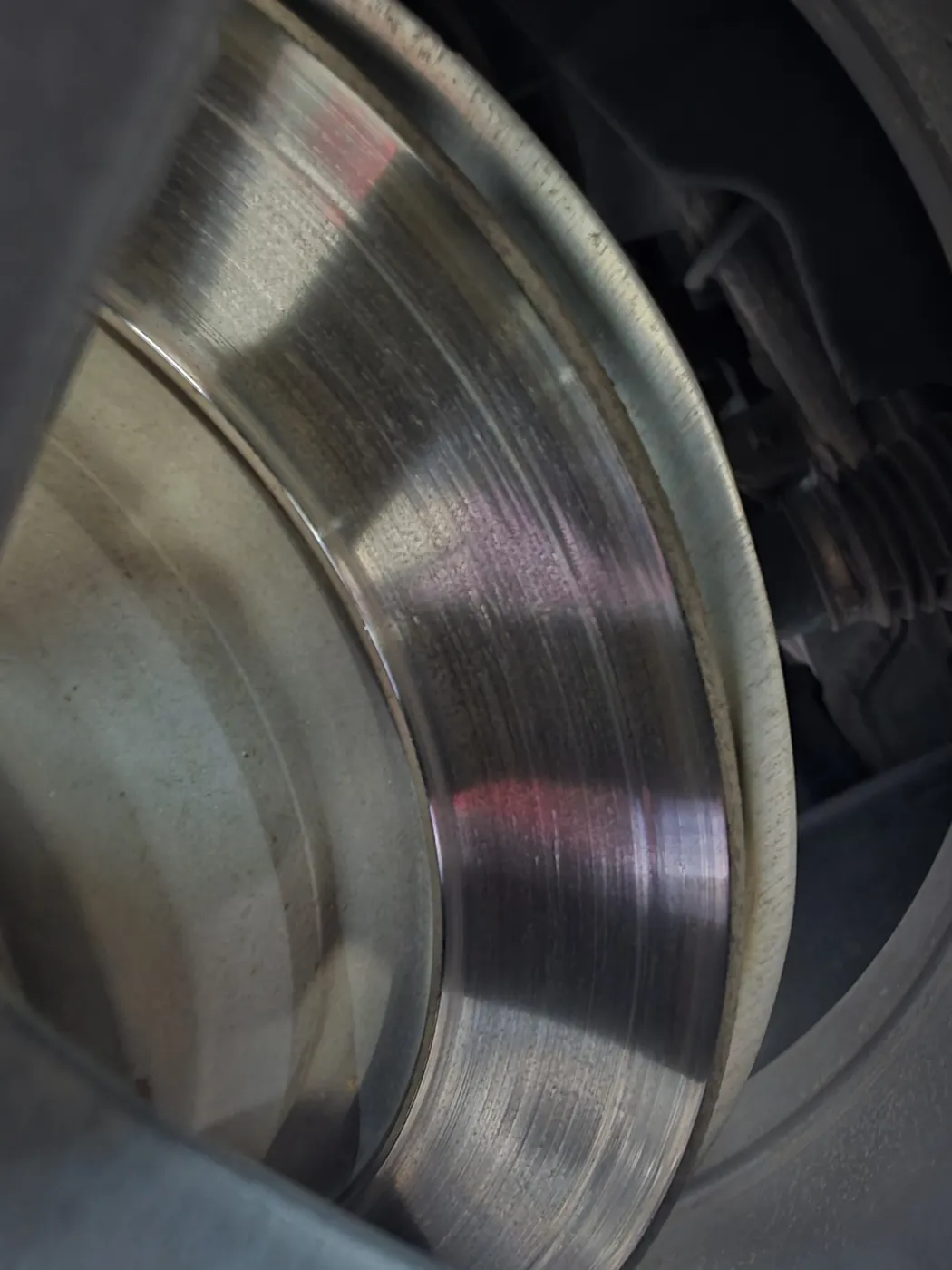
Brake rotors are bare cast iron. Overnight, especially after a humid night or a rain shower, a thin film of rust forms on the surface. The first few stops scrub it off, and you hear a squeak or light scraping while that happens. Once it’s gone, the brakes go quiet.
That’s normal, and it’s common here. We wrote more about it in How Texas Humidity Affects Brake Performance. The time to worry is if the noise doesn’t go away after a few stops, or if the car sits for weeks and the rust gets heavy enough to leave a ridge on the rotor.
Wear indicators and sensors on European cars
Many brake pads have a small metal tab, called a wear indicator, that’s designed to squeal against the rotor when the pad is nearly worn out. It’s an intentional warning: your brakes still work, but it’s time to replace the pads.
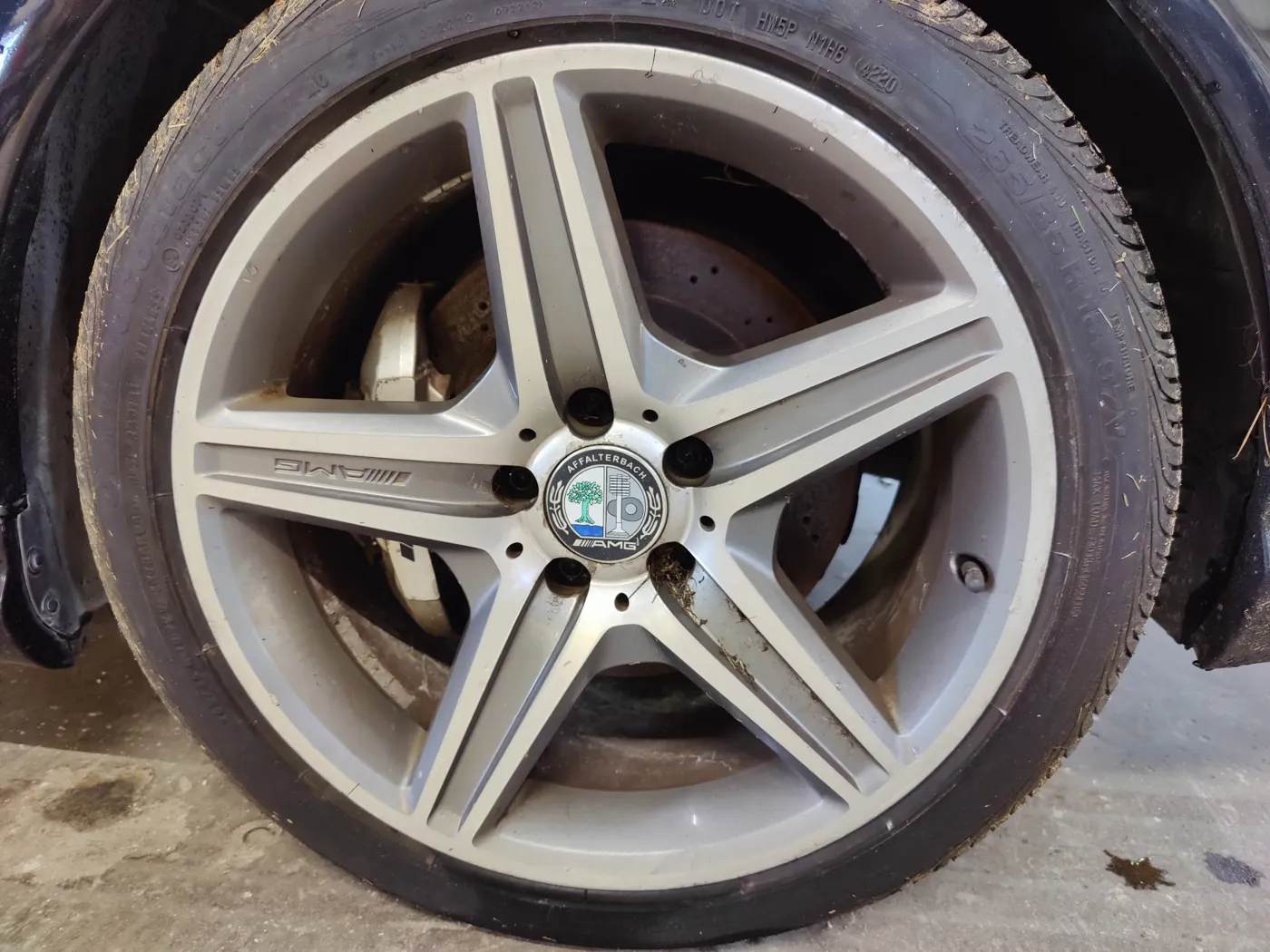
BMW, Mercedes-Benz, Audi, Volkswagen, Porsche and other European cars usually use an electronic wear sensor instead, which turns on a brake warning on the dash. When that light comes on, the sensor has worn through and must be replaced along with the pads.
European cars also tend to use softer, higher-friction pads that grip well but make more dust and wear rotors faster. It’s normal on many of these cars to replace pads and rotors together.
Squeaking right after new brakes
New brakes shouldn’t squeal, but it happens. The usual reasons:
- Bedding in. New pads need a few dozen stops to transfer an even layer of pad material onto the rotors. Some light noise in the first days can be normal.
- Missing or dry hardware. Pad clips, shims and caliper slide pins need the right lubricant in the right places. Skipped or reused hardware is a common cause of noise.
- Pad material. Some hard semi-metallic pads squeal more than ceramic pads by nature.
- Glazed or uneven rotors. New pads on old, worn rotors often don’t seat properly.
If new brakes squeal for more than a week or two, have the shop that did them take a look.
When it’s time to come in
Get your brakes checked if you notice any of these:
- A squeal that stays when the brakes are warm
- Grinding or growling of any kind
- A brake warning light on the dash
- A pulsing or shaking pedal, or the steering wheel shaking when you brake
- The car pulling to one side when braking
- A soft or sinking pedal
- A burning smell after driving, which can be a sticking caliper
With no state inspection in Texas any more, nobody is checking your brakes for you each year. It’s worth having a shop look at them at least once a year, or at every other oil change.
I had two separate cars there for brake problems in a short period of time. For the first, they determined the problem was much simpler than I thought it was, and got me on the road quickly and for much less than I had been expecting it to cost.
Raymond Scheel, Google review
See our brake service and repair and ABS repair pages for more.
Frequently asked questions
Is it safe to drive with squeaky brakes?
A light morning squeak that goes away is normal. A constant squeal means the pads are near the end and should be replaced soon. Grinding means stop driving and get them checked.
Why do my brakes squeak in the morning?
A thin layer of rust forms on the rotors overnight, especially in humid weather. The first few stops wipe it off, which makes the noise.
Why are my new brakes squeaking?
New pads may need time to bed in, or the hardware may be missing or dry. If it lasts more than a week or two, have them checked.
Should I replace rotors with brake pads?
Often, yes, especially on European cars where pads and rotors are designed to wear together. Rotors that are worn below spec, grooved or uneven should be replaced.
Bring it to Figure Automotive in Huntsville
Brake noises are easy to diagnose with the wheels off. We’ll inspect your pads, rotors and calipers, show you what we find and tell you what actually needs doing.
Call (936) 439-4346 or request a Free Written Estimate. We are at the shop Monday through Friday.