A flashing check engine light means the engine is misfiring badly enough right now to damage the catalytic converter. It’s more urgent than a steady light. Slow down, avoid hard acceleration and heavy loads, and get the car checked as soon as you can, ideally without driving it far.
If the light is flashing and the car is shaking, stuttering or losing power, pull over somewhere safe. Here’s what’s happening inside the engine and what to do next.
Flashing vs. steady: the difference matters
| Light | What it means | How urgent |
|---|---|---|
| Steady | A fault has been stored. Often emissions-related, a sensor, or a loose gas cap | Get it checked in the next few days |
| Flashing | An active misfire bad enough to overheat the catalytic converter | Stop driving hard now and get it checked right away |
| Flashing, then steady | The misfire comes and goes, often under load | Still urgent. The misfire will come back |
The engine computer counts misfires on every cylinder. When the count gets high enough that unburned fuel is pouring into the exhaust, it flashes the light to warn you.
Why it flashes: misfires
A misfire happens when a cylinder doesn’t burn its fuel properly. The usual causes, from most to least common:
- Ignition coil. Coils fail with heat and age, and they’re the top cause of a flashing light on modern engines.
- Spark plug. Worn or cracked plugs misfire, especially under load or on hills.
- Fuel injector. A clogged or leaking injector gives a cylinder too little or too much fuel.
- Vacuum leak. A cracked hose or intake gasket can lean out a cylinder.
- Low compression. A burned valve, a worn ring or a head gasket problem stops a cylinder from making power. This is the one we hope it isn’t.
- Timing problems. A stretched chain or worn cam phaser can upset the timing enough to misfire.
On some European cars, a flashing light can come with other warnings too, like the EPC light on a Volkswagen or a reduced-power message on a Mercedes.
What it does to your catalytic converter
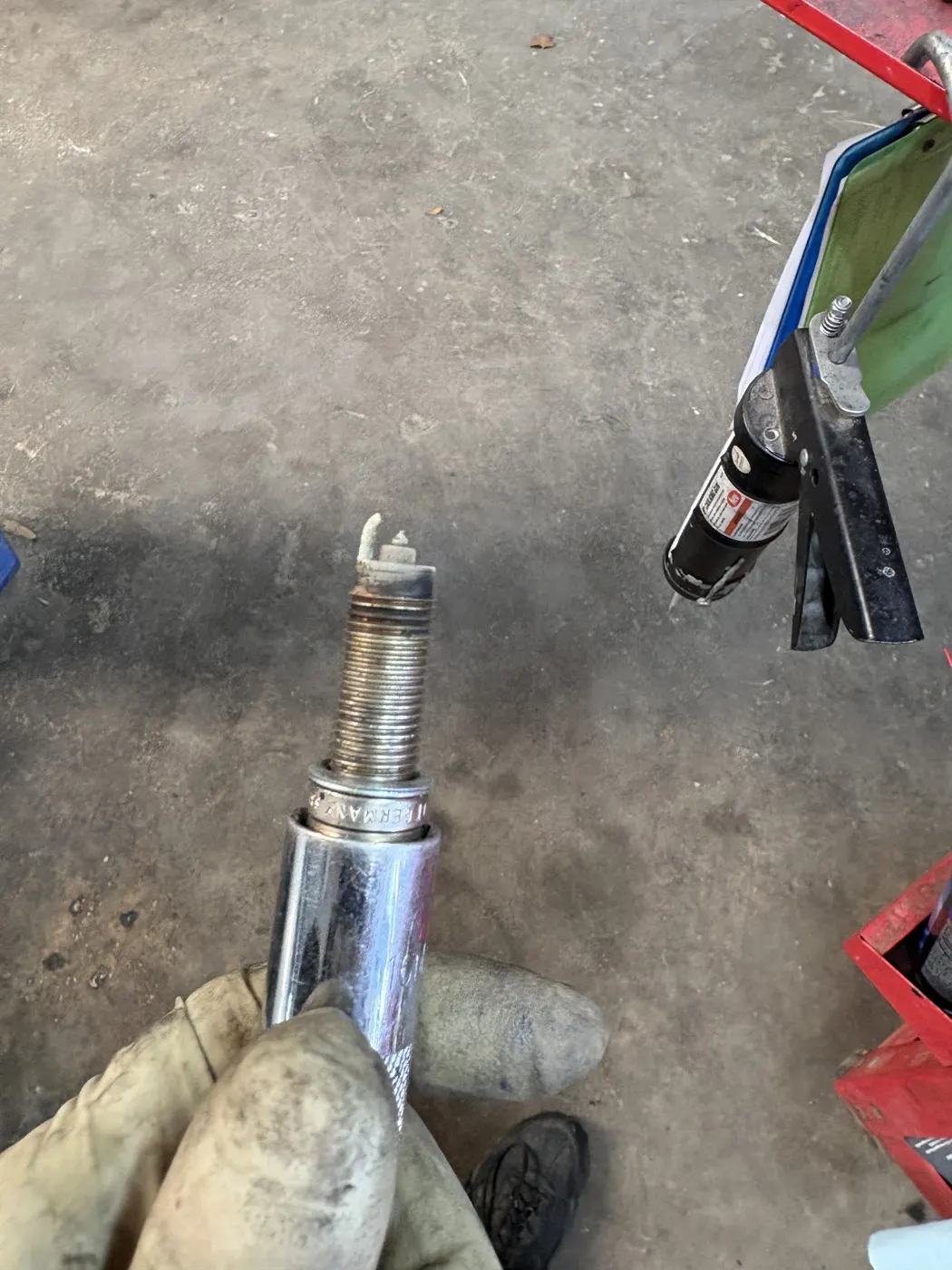
When a cylinder misfires, its fuel goes straight into the exhaust unburned. The catalytic converter then tries to burn that fuel. It gets far hotter than it’s designed to, and the ceramic inside can melt, crack or clog. A converter damaged this way can restrict the exhaust, make the car feel slow, and set its own codes.
That’s why a flashing light is urgent. A coil or plug is a modest repair. A catalytic converter is a much bigger one, and driving on a misfire is the quickest way to need one.
What to do in the next 10 minutes
- Ease off. Slow down, stay out of the left lane and avoid passing or climbing hills under load.
- Don’t tow. If you’re pulling a trailer, stop.
- Pull over if it’s shaking badly or if you smell something hot or see smoke.
- Check the gauges. If the temperature is climbing or the oil light comes on, turn the engine off.
- Call a shop. If the car is driving roughly, a short tow is usually the better choice.
- Don’t just clear the code. The light will come back, and every mile of misfiring adds damage.
How we find the misfire
We read the stored codes and freeze-frame data, then watch live misfire counts for each cylinder. That tells us which cylinder is missing and under what conditions. From there it’s usually quick to narrow down:
- Swapping a coil to another cylinder and seeing if the misfire follows it
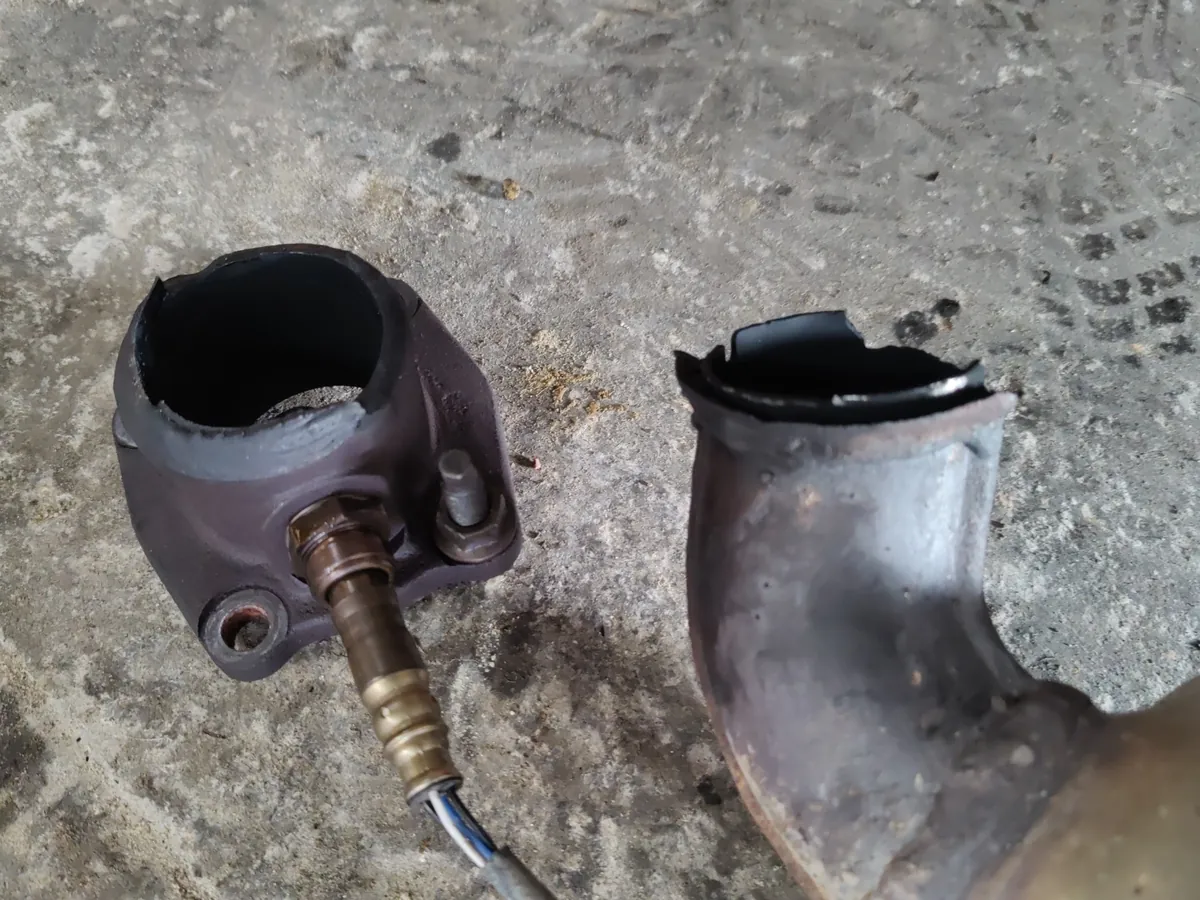
- Checking the spark plugs for wear, cracks or oil fouling
- Testing injector operation and checking for vacuum leaks
- Running a compression or leak-down test if the ignition and fuel side check out
We tell you what we found and what it takes to fix it before we start. If plugs are due, we’ll show you. A tune-up often goes hand in hand with a misfire repair.
I had a bad engine shudder then a flashing check engine light, so I took it to Figure as soon as I could. After getting the diagnosis codes, they explained the problem in simple terms that anyone can understand. The repair itself was super quick.
Steven Smith, Google review
See our engine repair and diagnostics page for more about how we diagnose engine problems.
Frequently asked questions
Can I drive with a flashing check engine light?
Only as far as you need to get somewhere safe or to a shop, and gently. Every mile with an active misfire risks damaging the catalytic converter.
Why is my check engine light flashing and my car shaking?
The shaking is the misfire you can feel. One or more cylinders aren’t firing, which is also why the light is flashing.
Why did my check engine light flash and then stop?
The misfire is intermittent, often only under load or at certain speeds. It will usually come back, so get it checked anyway.
Is a flashing check engine light expensive to fix?
Often it’s a coil or spark plug. It gets expensive when the car is driven on the misfire long enough to damage the catalytic converter.
Bring it to Figure Automotive in Huntsville
A flashing check engine light is one we like to see the same week, before the misfire turns into a catalytic converter. Call us and we’ll get it scanned and tell you what’s going on.
Call (936) 439-4346 or request a Free Written Estimate. We are at the shop Monday through Friday.